
Coastal Building · Notes from the Field
Key Biscayne Remodeling Built for Salt Air and Storms
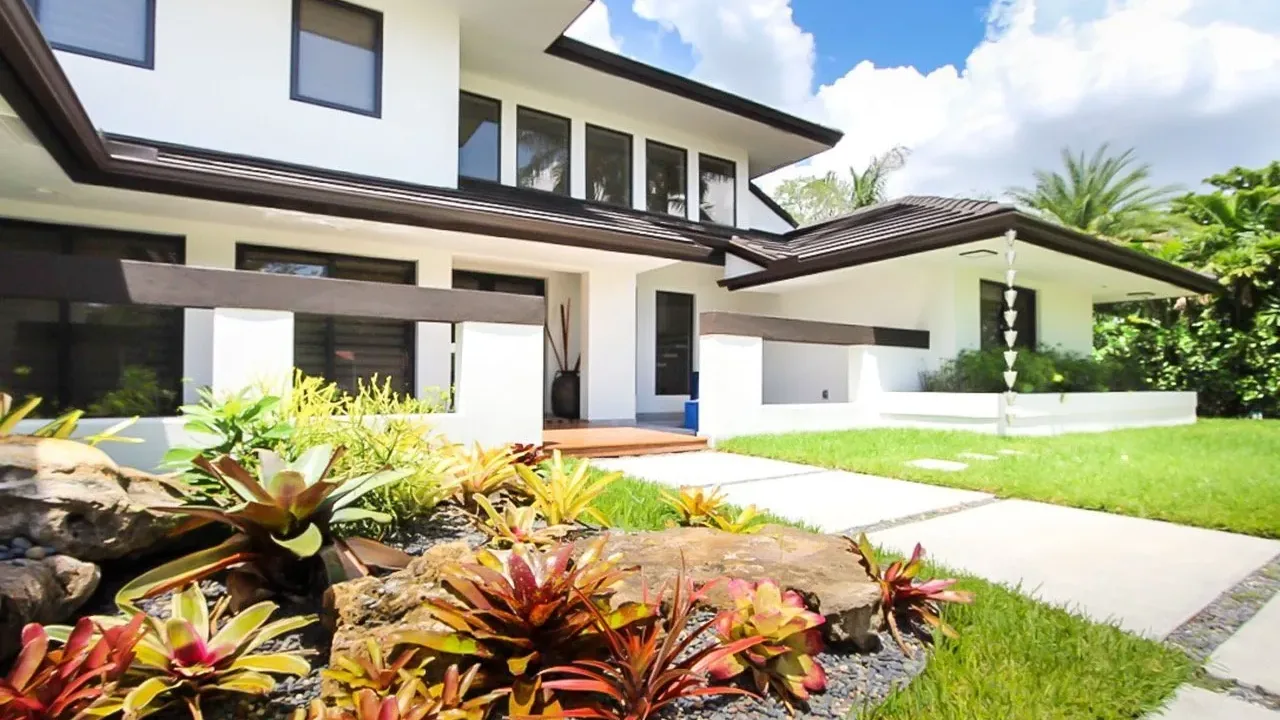
Key Biscayne remodeling asks more of materials than almost any project on the mainland. Salt carried on the breeze settles on every surface, humidity works its way into wall cavities and cabinetry, and every opening in the building envelope has to meet High-Velocity Hurricane Zone requirements. A finish that looks perfect on installation day can pit, swell or stain within a few seasons if it was chosen for a showroom instead of an island.
CMR Construction Group is a certified general contractor (state license CGC 1526885) handling high-end residential and commercial projects across South Florida from offices in Miami and Coral Gables. On the island, much of our work is upscale condominium and residential interiors, and the approach is consistent: specify for the coastal environment first, then design within those limits so the result still looks right long after the crew has gone.
Why Coastal Exposure Changes the Remodeling Plan
On the mainland, a remodel is mostly about layout, finishes and budget. On a barrier island there is a fourth variable that never goes away: the environment the materials have to live in. Airborne salt is corrosive to unprotected metals, it dulls some stone and it breaks down coatings that were never rated for marine exposure. Humidity keeps wood, drywall and adhesives under steady pressure. Rooms facing the water get the most exposure, but even interior spaces see it every time a balcony door opens.
That is why a good plan for Key Biscayne remodeling starts with an honest audit of what already exists. We look at the condition of window and door frames, sliding door tracks, cabinet and railing hardware, signs of past water intrusion around openings, and any wall or ceiling surface that has been patched before. Rust staining, bubbling paint and soft spots near sills tell you where the building has been fighting the environment and losing.
From there the material list gets built in a deliberate order. Openings and anything structural come first, because they protect everything else. Next come the surfaces and fixtures that take direct exposure. Decorative finishes come last, chosen from options with a proven record near salt water. This is not about giving up on design. It is about making sure the design you choose is still intact long after the punch list is closed.
Hurricane-Rated Openings and the HVHZ Approval Process
Miami-Dade County building work falls under the Florida Building Code, and the county sits within the High-Velocity Hurricane Zone. For a remodel, the practical effect is that replacement windows, exterior doors, sliding glass doors and certain other exterior components need product approvals showing they meet HVHZ requirements. Those approval documents spell out how a unit must be installed, including anchoring and the substrate it attaches to, and the inspector checks the work against them.
This has real consequences for planning. Impact-rated units are made to order, so we finalize sizes, configurations and frame colors early rather than letting them float until demolition. Openings in older buildings are often out of square or have deteriorated concrete around the frame, and that has to be repaired before a new unit goes in. Frame finish matters too: coatings made for coastal exposure hold their color and resist chalking far better than standard finishes.
We treat each opening as a system rather than a product. The frame, the anchors, the sealants, the waterproofing at the sill and the interior trim all have to work together. A rated window installed over a poorly prepared rough opening can still leak. Getting that detail right is quieter work than choosing a countertop, but it protects the walls, floors and cabinetry you are investing in on the inside. Where structure or anchorage is in question, the engineer of record confirms the approach before anything is fastened.
Materials and Hardware That Resist Corrosion
Most corrosion problems in a coastal remodel trace back to small parts. A beautiful vanity fails because its hinges rust. A shower looks tired because the drain cover pitted. A balcony door sticks because the rollers corroded. So we spend real time on the components most people never think about. A few of the choices we steer clients toward:
- Marine-grade stainless steel for exposed fasteners, railing hardware and anything near an open door, rather than standard grades that tea-stain in salt air.
- Solid brass or properly finished plumbing fixtures from product lines with a coastal track record, rather than thinly plated alternatives.
- Moisture-resistant cabinet boxes with sealed edges, so humidity does not swell the carcass behind a fine door.
- Dense, low-absorption stone and porcelain, sealed appropriately, for counters and walls that see splash and condensation.
- Coatings rated for coastal exposure on any painted metal, with surface preparation that follows the manufacturer's instructions.
None of this has to look industrial. Marine-grade hardware comes in refined profiles, and coastal-rated coatings are available in a wide range of colors. The point is to match each material to the exposure it will actually see. A powder room deep inside a unit can take finishes that would struggle on a terrace. We map that out room by room, so the budget goes where the environment demands it and you are not over-specifying spaces that do not need it. That kind of thinking is the core of Key Biscayne remodeling done well.
Sequencing the Work to Keep Moisture Out
Even with the right materials, a coastal remodel can go wrong during construction. Open walls, fresh drywall, unfinished wood and curing adhesives are at their most vulnerable while the work is underway. Humidity trapped in a wall cavity before it is closed up can cause problems that surface long after the job is done.
Our project management keeps moisture control on the schedule rather than treating it as an afterthought. That means protecting openings whenever exterior units are out, running dehumidification once the space is closed in, checking moisture content in framing and substrates before they are covered, and giving wood and millwork time to acclimate in conditioned space. Waterproofing in showers and at sills is inspected before tile goes over it, because once it is buried there is no second look.
Communication matters here as much as craft. Clients value knowing what is happening and why, and our VIP approach is built around constant contact between you, the project team and the trades. If cabinetry arrives before a room is ready to receive it, we would rather hold it than install it into a damp space, and we explain that decision so it reads as care rather than delay. Small calls like that, made consistently, are what separate Key Biscayne remodeling that lasts from work that needs repair a few years on.
If you are planning a project on the island and want a builder who treats salt and humidity as design inputs from the first conversation, CMR would be glad to walk through your home and talk about what it will take to make the work last.